

PREFACE
This piece is going to attempt to explore some of the ways in which women have suffered under the patriarchy. Realistically, though, this will not even touch the tip of the iceberg. There will be things left out, or struggles unsaid, and that is not to diminish or take away from those issues, but simply due to the sheer scale of this topic, not everything can be addressed in one go. It’s also worth noting that this article has taken a while to write because awful things just continue to happen to women. It’s a continuous cycle.
This article has been incredibly heavy to write. I’ve had to take various breaks from writing due to the sheer volume of upsetting and disturbing information I’ve come across. Due to the distressing content, I’m going to break this down into several sections, so if needed, you can skip over anything you may not want to read or engage with. We’re going to cover some heavy topics, so please look after yourselves and take a break if needed.
Much love xx
“Many women, I think, resist feminism because it is an agony to be fully conscious of the brutal misogyny which permeates culture, society, and all personal relationships” – Andrea Dworkin.
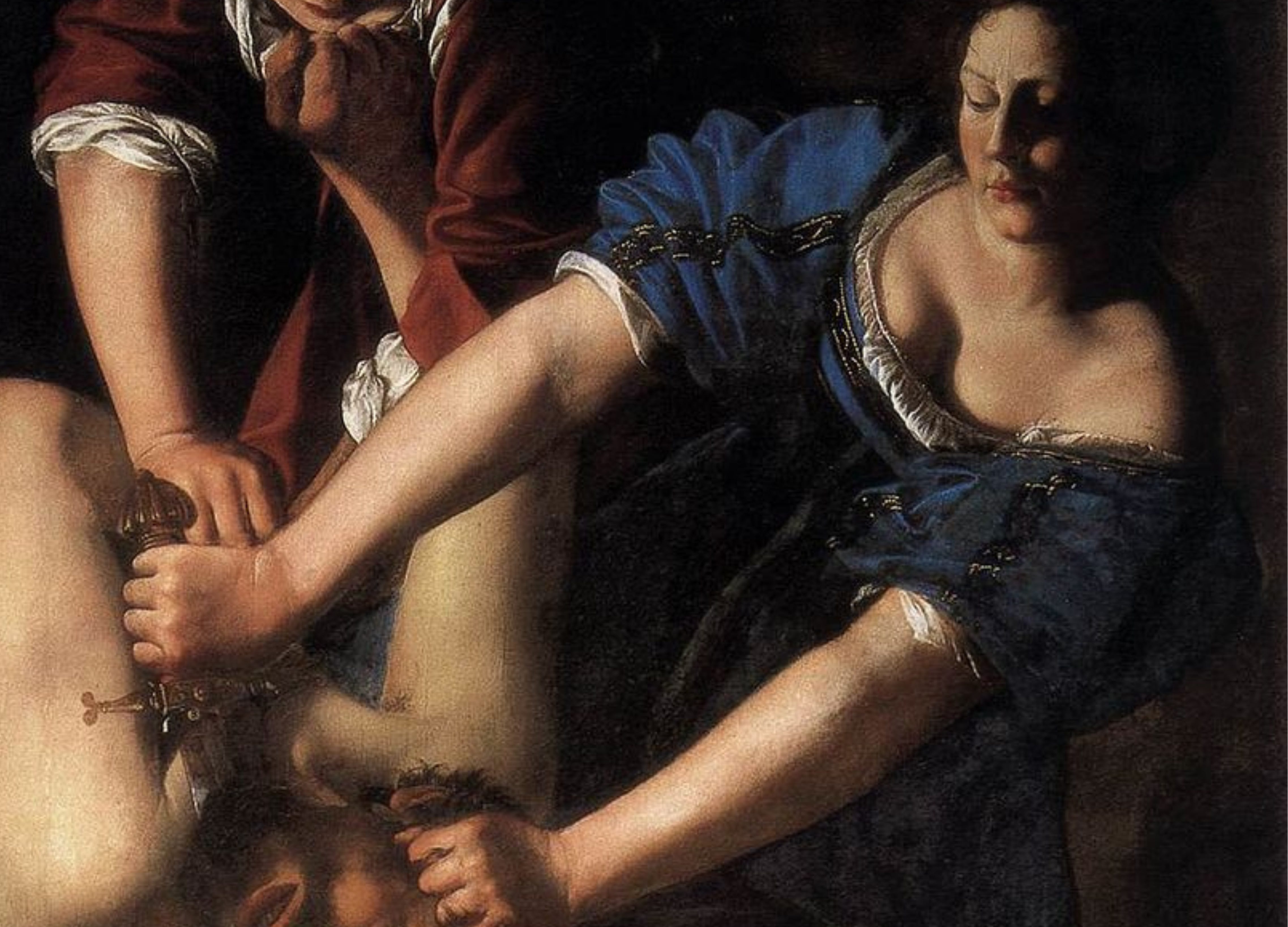
Women have, and continue to be, inherent victims of violence. This violence transcends social, cultural, and political contexts and is extremely rampant across all cultures and countries. Women have suffered under patriarchal systems for hundreds of years, and whilst things are beginning to change in small ways, progress feels a lot like taking one step forward and ten steps back. And more often than not, it is women who are putting in the work and advocating for changes to our patriarchal world. It’s women who are risking their lives in the fight. Whilst it can be argued that our society isn’t directly ruled under a patriarchy anymore, there is no doubt that patriarchal structures still exist and oppress women through subtle and overt ways. One of the biggest and deadliest consequences of the patriarchy is misogyny.
The Merriam-Webster Dictionary defines misogyny (/mɪˈsɒdʒɪni/) as the hatred of, aversion to, or prejudice against women. It’s a form of sexism that has been practiced and reflected in society for thousands of years and can be found across many facets of the human condition. We find it in art, literature, social structures, religion, history, philosophy, and so much more. Misogyny is so deeply ingrained in our society that we’re often unaware of just how deeply our own thoughts and actions are rooted in it.
Violence against women has plagued the world for thousands of years and has continued to spread into modern society, so much so that many scholars argue modern society will never be rid of misogyny. And unfortunately, that is something I find myself agreeing with. If something is so deeply ingrained in humanity and is found across all corners of the globe, in every culture and religion, where then do we go from here? Will there ever be a solution?
Historical Oppression of Women
Women have been oppressed for thousands of years, and whilst I could sit and write about the hundreds of historical examples, I’d be sitting here my entire lifetime. Not to mention the severe lack of historical data sets of oppression. Women have historically faced oppression through things such as a lack of access to education, inadequate healthcare, not being able to vote, and the reinforcement of domesticity.
History has continuously tried to silence and tear down women, not granting them the same legal rights, autonomy, or opportunities as men. UN Women created an interactive resource that explores women’s footprints in history and provides us with some historical accounts of women tearing down barriers and challenging patriarchal structures. I would highly recommend taking the time to sit and scroll through this.
I believe that in order to fight for the freedom of women, we need to be educated on a global scale. So, moving forward, we’re going to explore more in-depth ideas about violence against women, the ways in which it affects us, and what we can do moving forward.
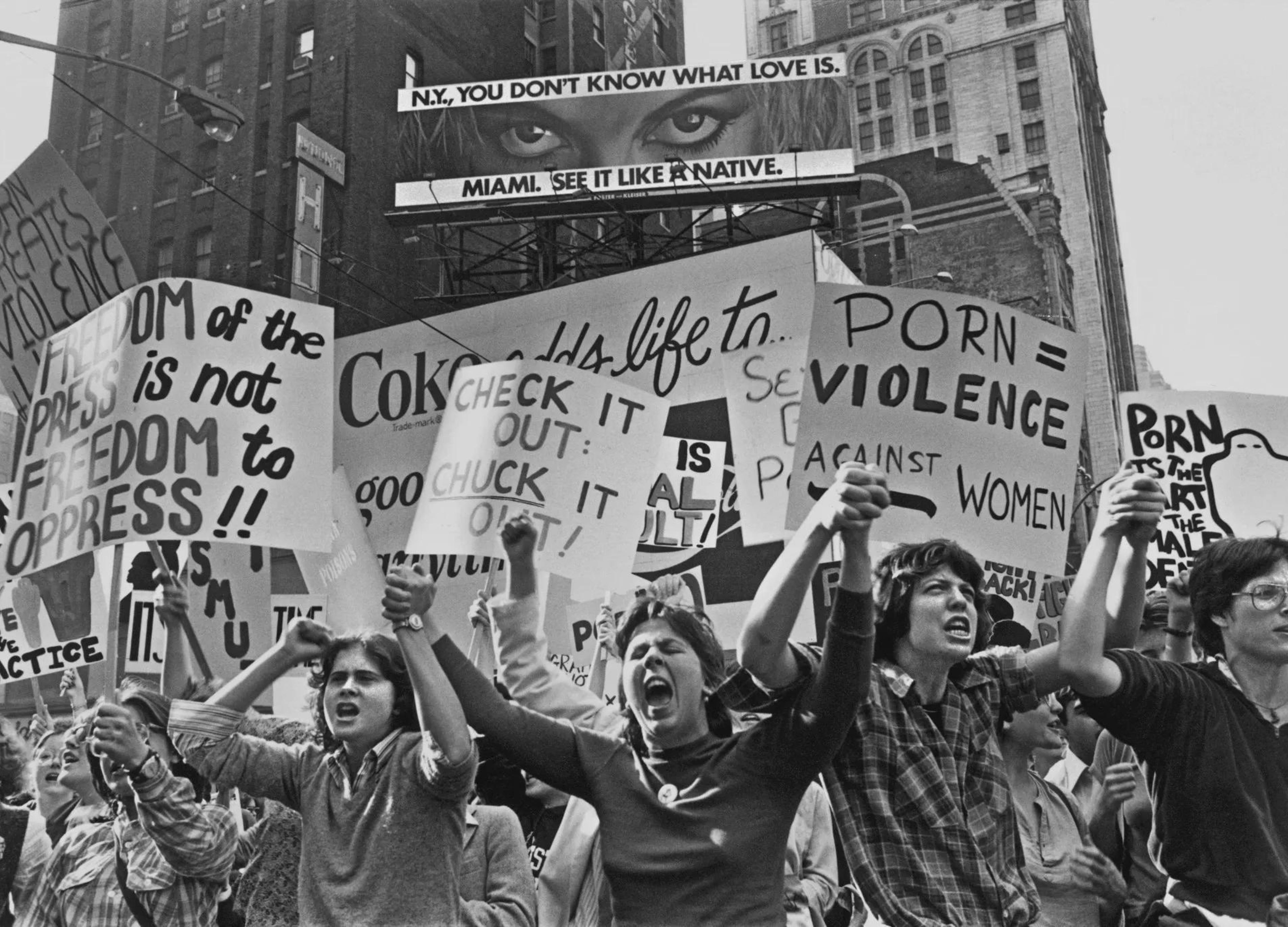
Violence Against Women and Its Forms
Violence against women is an extremely broad issue that fits into several expansive categories, with the most common forms being domestic violence, sexual violence, rape, and online gender-based violence. We’re going to dive a little deeper into some of these forms now, so trigger warnings are in place. Throughout these next few paragraphs, I will be utilising global and localised statistics, highlighting injustices, and discussing the stories of myself and other women (kept anonymous where possible).
Domestic Violence (DV): violent or abusive behaviour that occurs in a domestic setting, such as in a marriage, relationship, family, or cohabitation.
According to the World Health Organisation (2024), it is estimated that about 1 in 3 women worldwide have been subjected to either physical and/or sexual intimate partner violence or non-partner sexual violence in their lifetime. Domestic violence expands across several forms of abuse, including physical, verbal, emotional, financial, sexual, and reproductive. Domestic violence is not exclusive to intimate partners; it can also be found through familial relations such as parents, siblings, cousins, etc.
In Australia alone, the Australian Institute of Health and Welfare (AIHW, 2026) reported that 1 in 5 adults had experienced some form of domestic violence, with Aboriginal and Torres Strait Islander women, women living with disabilities, and LGBTQIA+ identifying women being at higher risk. Furthermore, the AIHW (2026) reported that one woman was killed every 11 days by an intimate partner on average in 2024-25.
1 in 3 women. One woman is killed every 11 days.
Domestic violence is rampant. And arguably, grossly underreported. Almost every single woman in my family, including myself, has been the victim of domestic violence, and not once, to my knowledge, has our violence been reported. Not to mention that conviction rates of domestic violence are extremely unpredictable, and our justice systems continue to fail women. Sometimes, just surviving is enough, and I will never judge someone for not reporting their abuse.
Sexual Violence: An umbrella term that includes any sexual behaviours or sexual acts that occur where consent is not freely given or obtained, is withdrawn, or the person is unable to consent.
Sexual Violence is a broad term that can be identified as sexualised touching, sexual abuse, sexual assault, sexual harassment, rape, intimidation, and forced or coerced watching or engaging in pornography (AIHW, 2026). Sexual violence can also be non-physical and include unwanted sexualised comments, intrusive sexualised questions or harassment of a sexual nature. The AIHW (2026) further reports that 22% (2.2 million) of women in Australia have experienced sexual violence since the age of 15, with UNICEF (2023) reporting that 650 million girls and women globally have been subjected to sexual violence as children.
Sexual violence is such a broad and grossly underreported issue that finding relevant and up-to-date information can prove difficult. Statistics are constantly updating, and with so much going unreported, we may truly never know the sheer scale of this facet of violence.
Rape: unlawful sexual activity carried out forcibly or under threat of injury against a person’s will or with a person who is incapable of valid consent.
Rape is an extremely difficult issue to discuss due to not only the taboos surrounding it, but also the lack of accurate data. Rape is grossly underreported and is often grouped with statistics regarding sexual violence. The National Sexual Violence Resource Center (2026) reported that 1 in 5 women in the United States experienced completed or attempted rape during their lifetime, further reporting that almost half of these rapes were perpetrated by their intimate partners. The Australian Bureau of Statistics (2024) reported that there were 36, 318 victims of sexual assault in 2023, an 11 per cent increase from the previous year.
When discussing rape, it’s extremely important to acknowledge the difficulty in reporting and even identifying these acts. Marital rape was long reported as not being identified as a form of rape, with Australia only beginning to outlaw it in the 1970s. Furthermore, coercion, statutory rape, and stealthing are all forms of rape that often go unreported or even unrecognised. It is not uncommon for a woman to realise she was raped later on. Information around consent has historically been difficult and at times a grey area, leading to the suspicion of something not being right, but ultimately not having the knowledge of being able to identify it as rape.
Online Gender-based Violence: any act that is committed, assisted, aggravated, or amplified by the use of technology, that results in or is likely to result in physical, sexual, psychological, or social harm.
Violence against women expands beyond the physical world and can be found in online platforms, services, or other digital technologies. The Australian eSafety Commissioner (2026) reports that 1 in 3 women had experienced sexual or image-based digital abuse, with UN Women (2025) reporting that some studies suggest that between 16 and 58 per cent of women have experienced digital abuse.
Online gender-based violence comes in many forms and can often be identified through things such as sexist jokes, misogynist remarks, threats of rape and sexual assault in online spaces, and the use of generative AI to create sexual images of someone without their consent. It is extremely prevalent across every digital platform and continues to rapidly grow.
You can go to the comments of almost any post including or discussing women and find these forms of violence. Misogynistic jokes in the comment sections of TikTok and Instagram are passed off as just jokes, and harmful content posted by self-claimed ‘alpha male’ types is just further advocating for the normalisation of violence against women. As a woman who has been on the internet for over ten years, I can confidently say that not a week has gone by that I haven’t seen or been subjected to online abuse against women.
Misogyny In Ways We May Not Realise
Now that we’ve touched on some of the most common forms of violence against women, I’m going to shift our lens over to misogyny as another form, and arguably one of the deadliest. As touched on earlier, misogyny is the hatred of, aversion to, or prejudice against women, with some scholars arguing that misogyny is the root cause of every violent act against women.
Misogyny takes shape in so many ways that sometimes we find ourselves participating it in ways that we might not realise. On the surface, we can identify misogyny through its manifestations in behaviour, speech, gestures, images, laws and policies, practices, and traditions. These include things like gender expectations, gendered social norms, gendered beliefs surrounding femininity, and using violent gendered language.
However, misogyny runs deeper than our surface-level thinking and actions and can be deeply ingrained in ways we don’t even recognise. For example, our language at times can be misogynistic. Pet names such as “sweetheart”, “princess”, and “baby girl” can be argued as creating a power imbalance or even infantilising women, thus stripping them of agency.
Furthermore, things such as our comparison to other females, or our expectations of women, no matter how small, can be rooted in patriarchal values and directly contribute to misogyny. In reality, though, breaking out of misogynistic thinking and behaviours can be extremely difficult and can take time. Being aware of these behaviours and investigating our own thought patterns can be a great start.
Social Media as a Double-Edged Sword
Like most modern technologies, the rise of social media has introduced us to both the good and bad of humanity. In relation to violence against women, social media has been a useful tool in identifying, advocating, and reforming women’s safety. We’re able to broadcast issues in a faster and more global sphere, as well as highlight issues from all corners of the globe. Advocates, protesters, and anyone with a platform can bring awareness of violence to broader audiences and begin to lay out ideas of what is and isn’t ok, particularly for younger women. Social media also allows women to share information, their own stories, and provide helpful resources surrounding violence. We’re given a deeper insight into this global issue, and we can find first-hand accounts of what violence is doing to women as individuals and as a society. Social media has been a new space for solidarity, community, and reliance.
However, it is a double-edged sword. As I discussed earlier, violence against women transcends the physical world, and our online platforms continuously highlight this. And it’s worth noting that it’s not always men who are the perpetrators of this harmful digital culture.
The rise of tradwives sees the romanticism of ‘traditional’ gender roles that were forced upon women for hundreds of years. On the surface, these are women who are happily committing to domestic duties and opting to serve their husbands, but beyond that, they’re promoting a toxic and dangerous culture that’s fuelling gender inequality. Now, it can be acknowledged that there are some women out there who genuinely want to take on that role, and that’s their prerogative. But here, I’m talking about the ones who romanticise this idea of living and push harmful stereotypes and agendas onto young and vulnerable women. Often, we find that these kinds of tradwives align themselves with politics that are actively, or attempting to, strip women of their rights and reinstate harmful patriarchal values.
We also see women creating content that idolises men and attempts to reinforce dangerous gendered stereotypes and expectations. Often referred to as “pick me’s”, though personally this term in itself is highly problematic, we see how these women attempt to gain male approval, or they centre their content solely around trying to normalise male behaviours that are inherently violent to women.
Nothing is solely neutral in our society, so whilst we can acknowledge how influential social media has been in the fight for women’s equality and safety, it’s also important that we continue to acknowledge how harmful it is.
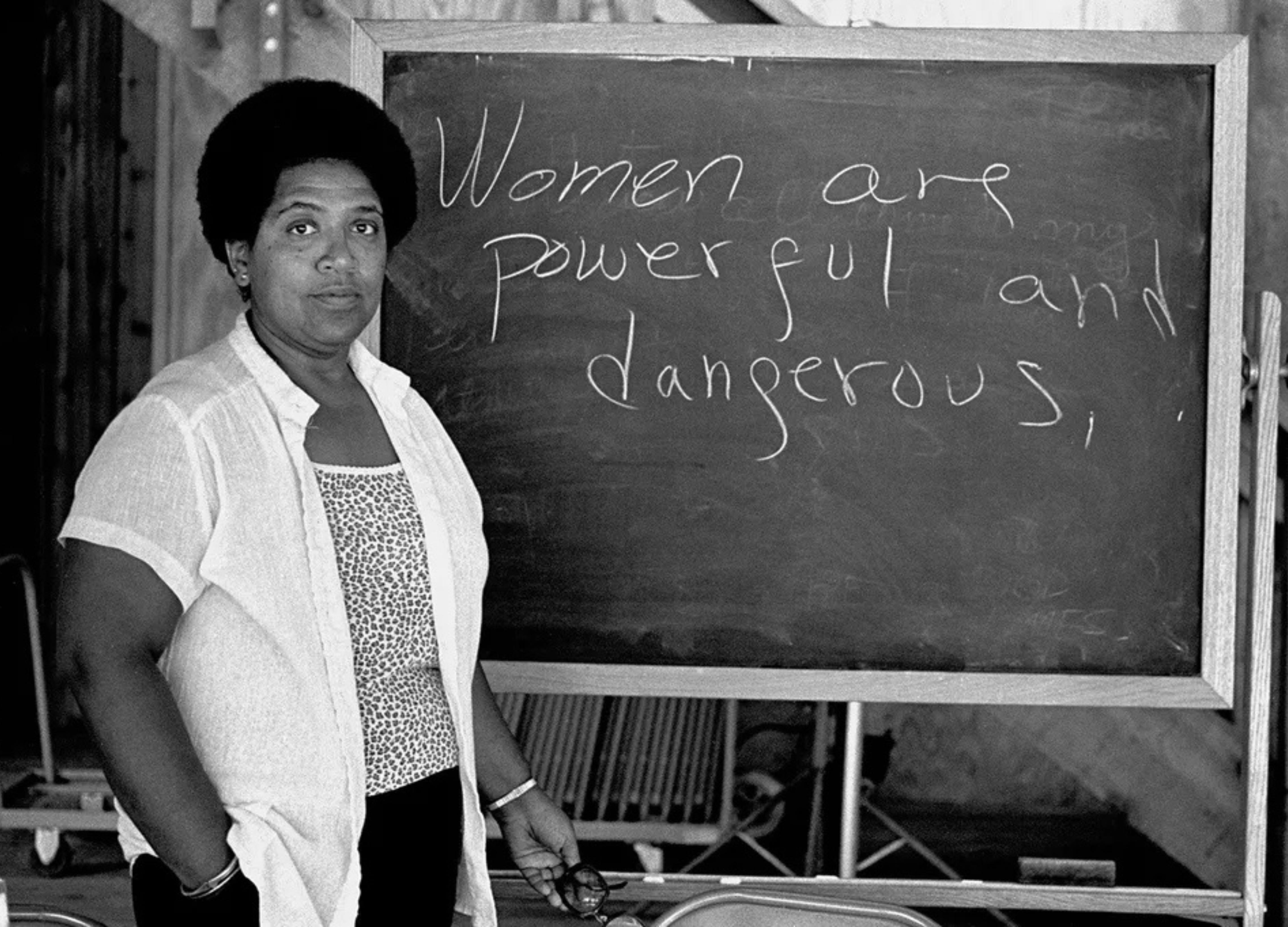
Shifting Attitudes
I’m going to move our lens again now to the shifting attitudes of women. Here, I’m going to discuss things such as misandry, the 4B movement, and how women are now choosing to remain single and childfree.
MISANDRY
Misandry (/mɪˈsandri/) has been defined as the hatred of men. Simple on the surface, but it presents far more complicated. On a social, cultural, and political level, it can be argued that misandry does not hold the same value or power as misogyny. These terms are not equal, and they do not hold the same implications, though at times they do intersect.
On social media in particular, we can see a rise of women identifying themselves as misandrists, often as a form of survival. Misandrists often express their choice as something that stems from the distrust and avoidance of men and is arguably a protective and reactive method rather than an oppressive one. Some scholars argue that misogyny is systemic, and misandry is reactive. If we were to strip misandry back to its core, it is the hate of a gender, but I don’t believe misandry can exist on its own. It is the direct result of a patriarchal structure that has been hurting, oppressing, and killing women for hundreds of years. Misandry is not equal to misogyny, and they do not hold the same power. Misogyny kills, misandry agitates.
4B MOVEMENT
The 4B movement emerged in South Korea in the mid to late 2010s and advocates for the rejection of traditional gender roles. Handley (2024) discusses the four tenets of the movement as “biyeonae” (no dating), “bisekseu” (no sex), “bihon” (no marriage), and “bichulsan” (no childbirth), and highlights how this movement has travelled across oceans and is now being practiced by women globally.
The 4B movement serves as an act of freedom and challenges patriarchal structures and traditional views on what is expected of women. Often regarded as a lifestyle choice as opposed to a movement, 4B is redefining societal expectations of women and is reinforcing women’s autonomy. Men are being decentred from women’s lives, and they are finding new ways of connecting with themselves, other women, and society outside of male perception.
This critique of the patriarchy has gone global, and in particular, we’ve seen it on the rise in the US. 4B offered a framework of resistance, and American women were beginning to engage with this idea, particularly after a convicted felon and rapist was made president. Beyond South Korea and the US, the 4B Movement can be found across the globe and continues to spark conversations surrounding gender inequality, autonomy, and the future of women.
SINGLE AND CHILDFREE
Similar to 4B, more women are now opting to remain single and childfree. Myself included. As our society continues to evolve, women are being granted more freedoms and opting to remain single and childfree as a direct result of that. Some research even suggests that women who remain single and don’t have children lead healthier lives and tend to live longer. As societal pressure is somewhat declining, more women are happily pursuing the single life, and the birthrate across various countries has been dropping. A win in my eyes, to be honest. Most of the women in my lineage weren’t granted the choice of remaining single, so for me to even be able to practice that is something huge.
I think it’s also worth acknowledging that remaining single and childfree does not equal loneliness. There seems to be a lot of discourse, particularly online, about how women who choose to lead single and childfree lives will come to regret it or will find themselves experiencing loneliness. They love to go down the road of “but who’s going to look after you when you get older,” and I think there’s some interrogating to be done here. Community can be built outside of children and partners, and I would never expect my child or partner to disrupt their lives in order to take care of mine. After all, isn’t that what retirement homes and communities are for?
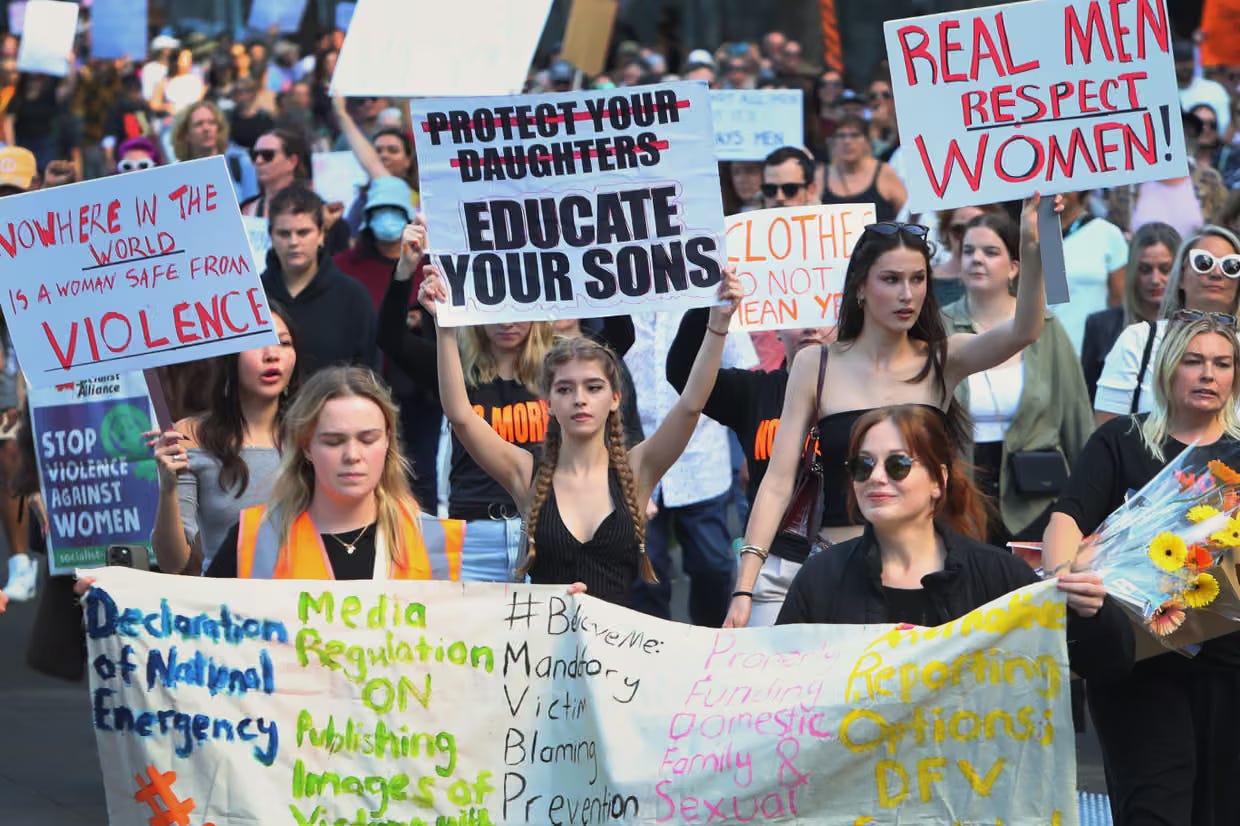
The Intersectionality of Privilege and Patriarchy.
We can’t discuss the patriarchy, misogyny, and the oppression of women without acknowledging the intersectionality of privilege. Whilst historically, all women have been victims of violence, it should be noted that women of colour, women living with disabilities, and LGBTQIA+ identifying women are at greater risk. Location also plays a factor, with women in regional and rural areas more susceptible to violence.
Respect Victoria (2023) acknowledges that women from culturally and racially marginalised backgrounds are at higher risk of violence due to not being able to access culturally appropriate support services, being fetishised, or targeted by racist harassment.
The Australian Bureau of Statistics (2021) reported that women living with disability were nearly twice as likely to experience violence (2.5 per cent compared with 1.3 per cent), with further reports that women with an intellectual/psychological disability were at greater risk.
The Australian Institute of Health and Welfare (2025) found that 1 in 2 LGBTQIA+ identifying women had experienced sexual assault, with 3 in 5 experiencing further gendered violence. Non-binary people and trans women were at an even greater risk, making up over 50% of LGBTQIA+ violence victims.
The Australian Longitudinal Study on Women’s Health (2015) found that 1 in 5 women living in metropolitan areas experienced gendered violence, whereas 1 in 4 women living in regional and rural areas reported gendered violence. This rise was contributed to higher rates of alcohol misuse, increased access to firearms, and fewer support services in these areas.
The intersectionality of privilege when discussing violence against women is important to highlight, as whilst these patriarchal systems are continuing to oppress women as a whole, these systems are also continuing to uphold systemic racism and cultural biases.
What’s Next?
Let’s take a bit of a breather. That was a lot of information for me to throw at you.
Taking all of this into account, what do we do next? Tackling violence against women can feel hopeless and never-ending, but I think it’s worth noting that something can be done. Women have historically fought for hundreds of years, and we can continue the fight. Though it may feel like one step forward, ten steps back, it’s still one step in the right direction. Education is one of the biggest factors in our fight for freedom, and that means engaging in local and global resources, bringing awareness, and using our voices.
“Every woman has a well-stocked arsenal of anger, potentially useful against those oppressions, personal and institutional, which brought that anger into being. Focused with precision, it can become a powerful source of energy serving progress and change” – Audre Lorde.
Scholars, Literature and Resources
As I begin to wrap this up, I’m going to leave you with some resources to engage with. These cover a wide range of feminist theories, discuss violence against women, and bring awareness. It’s also worth noting here that whilst some of these women were pioneers for feminist movements and ideologies, they aren’t all without outdated ideas or controversies.
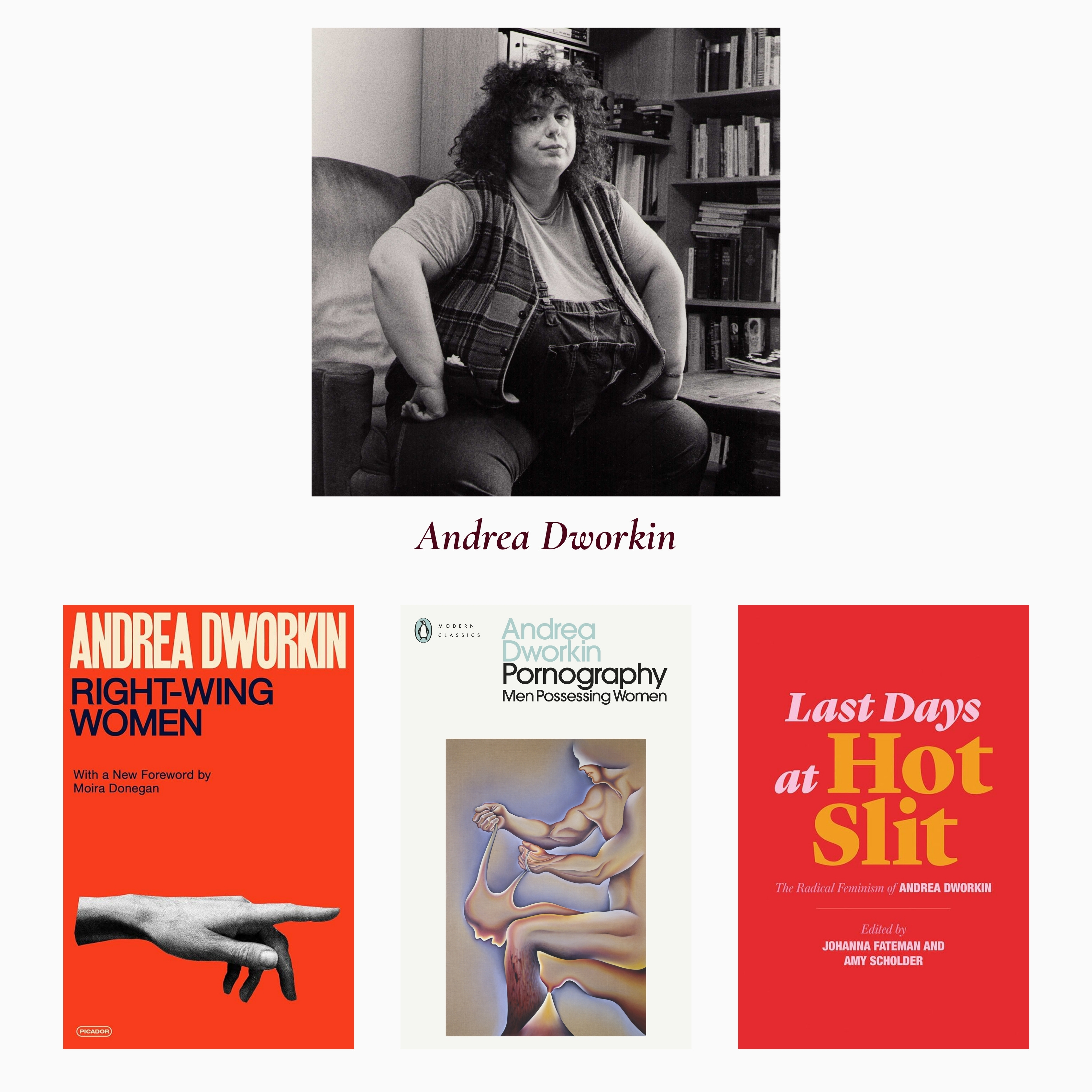
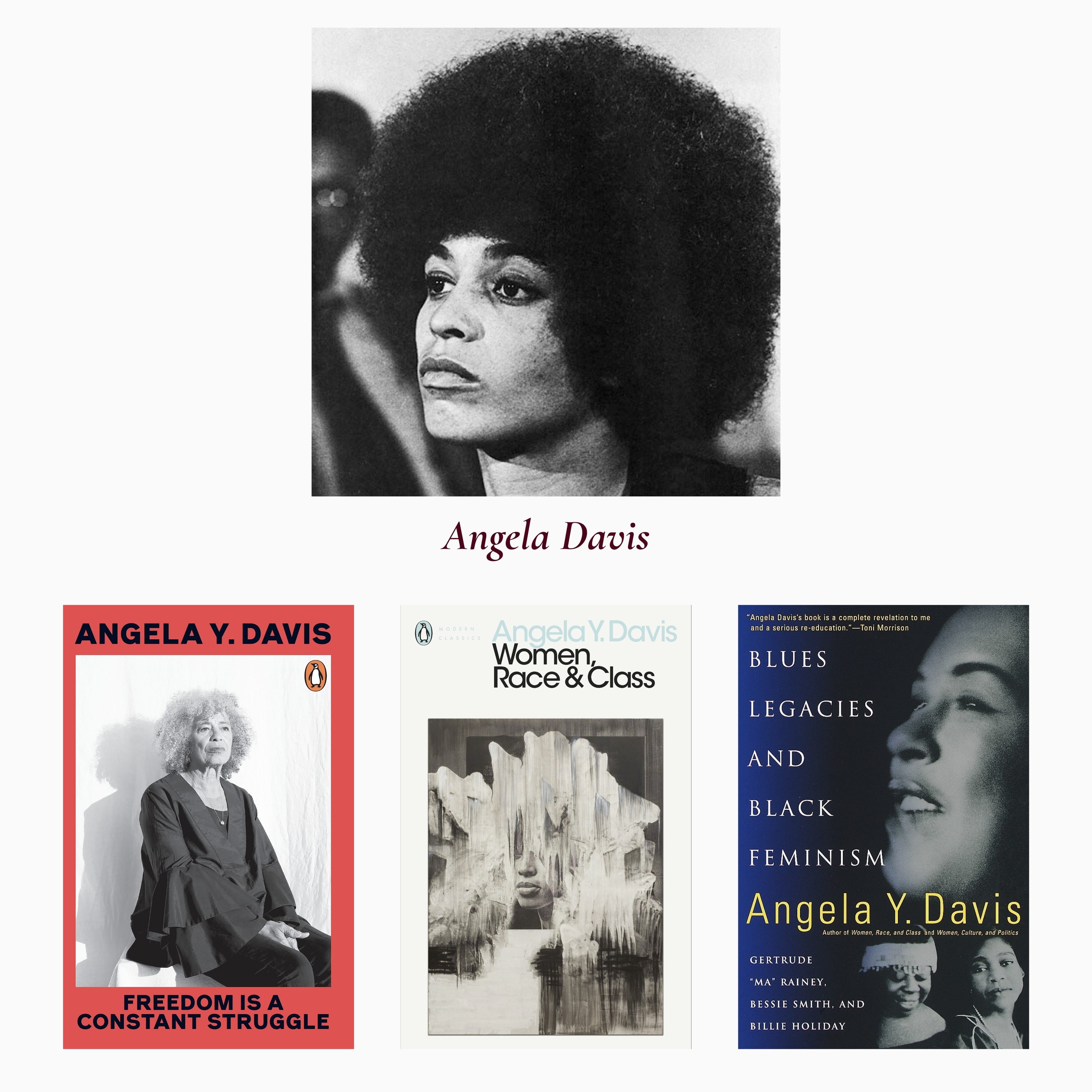
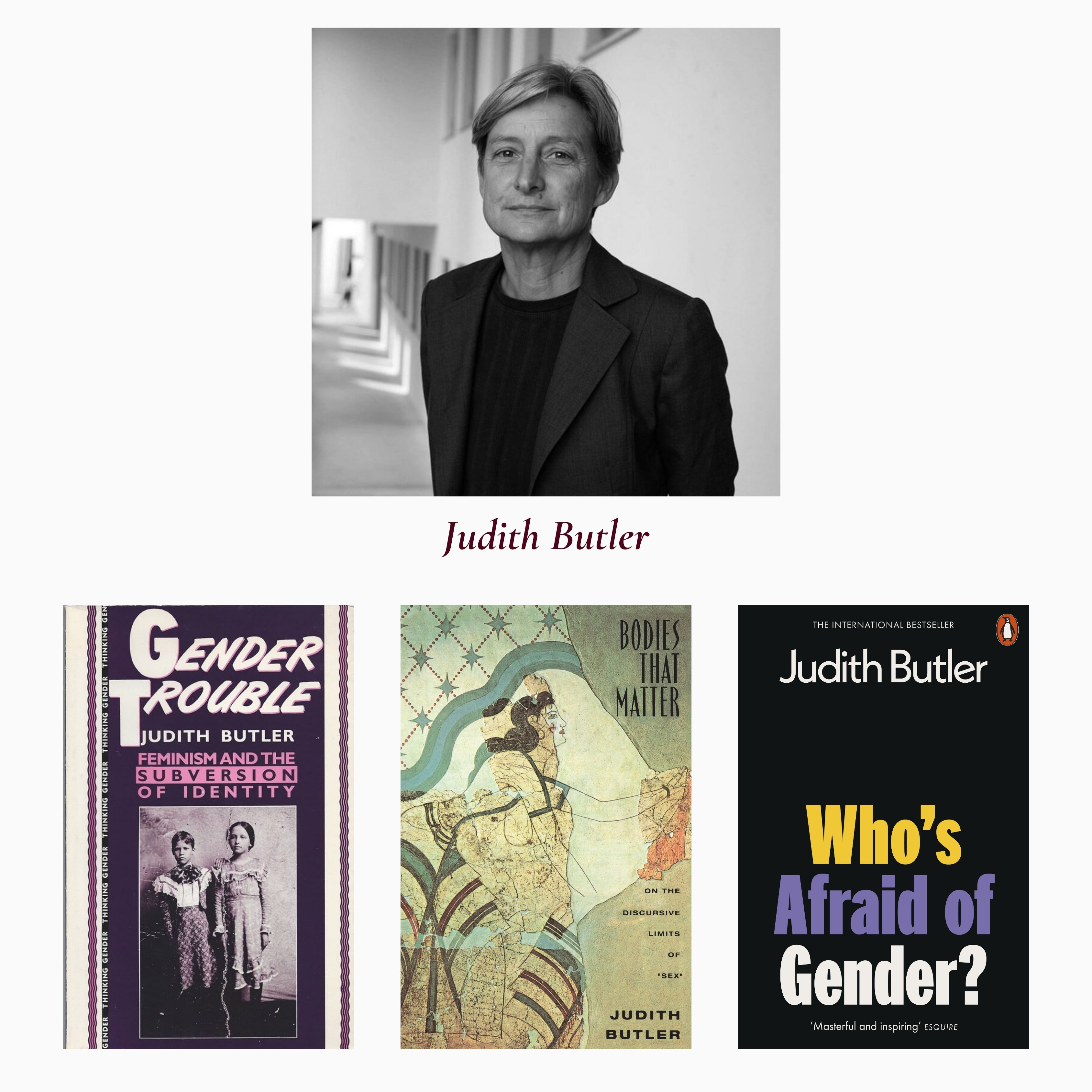
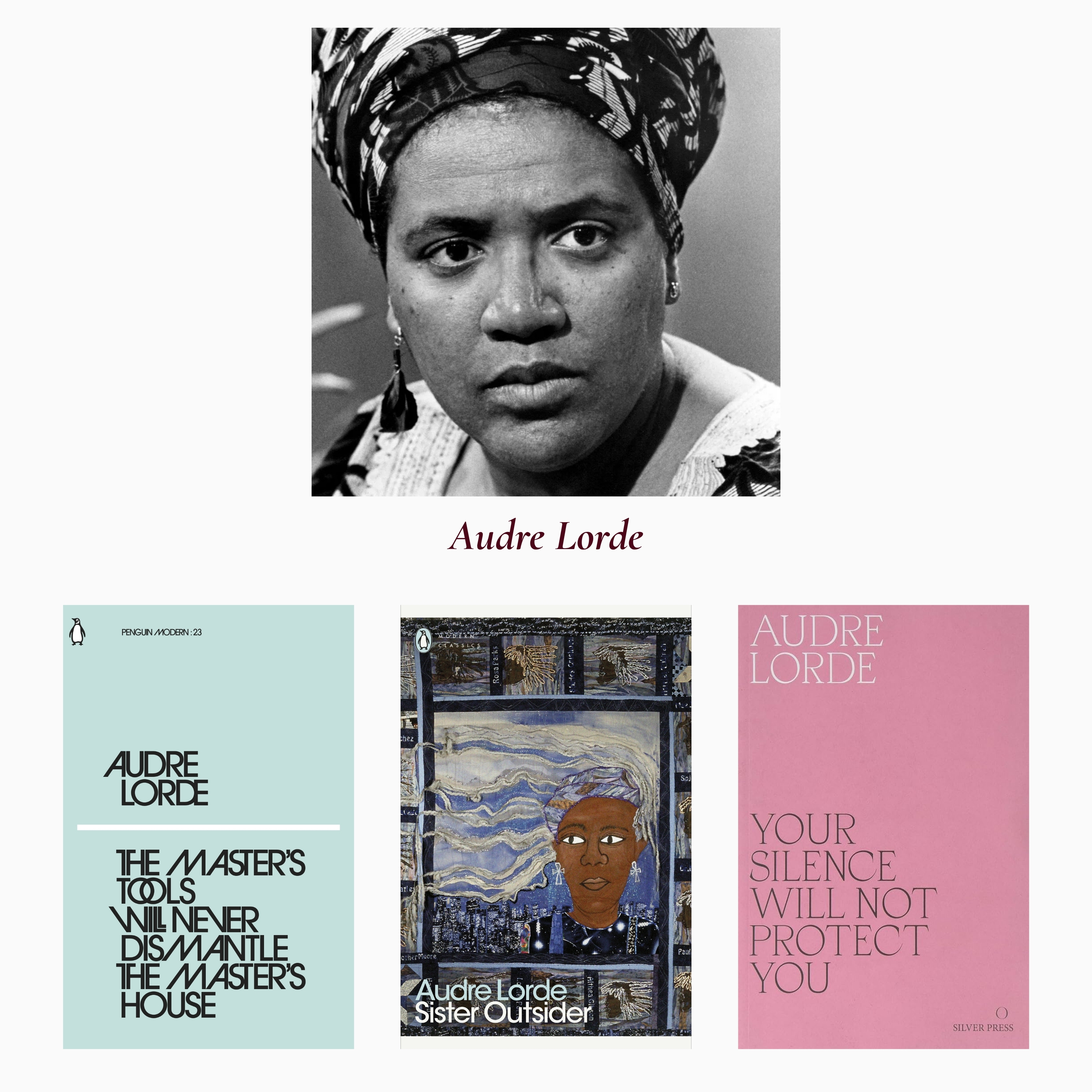
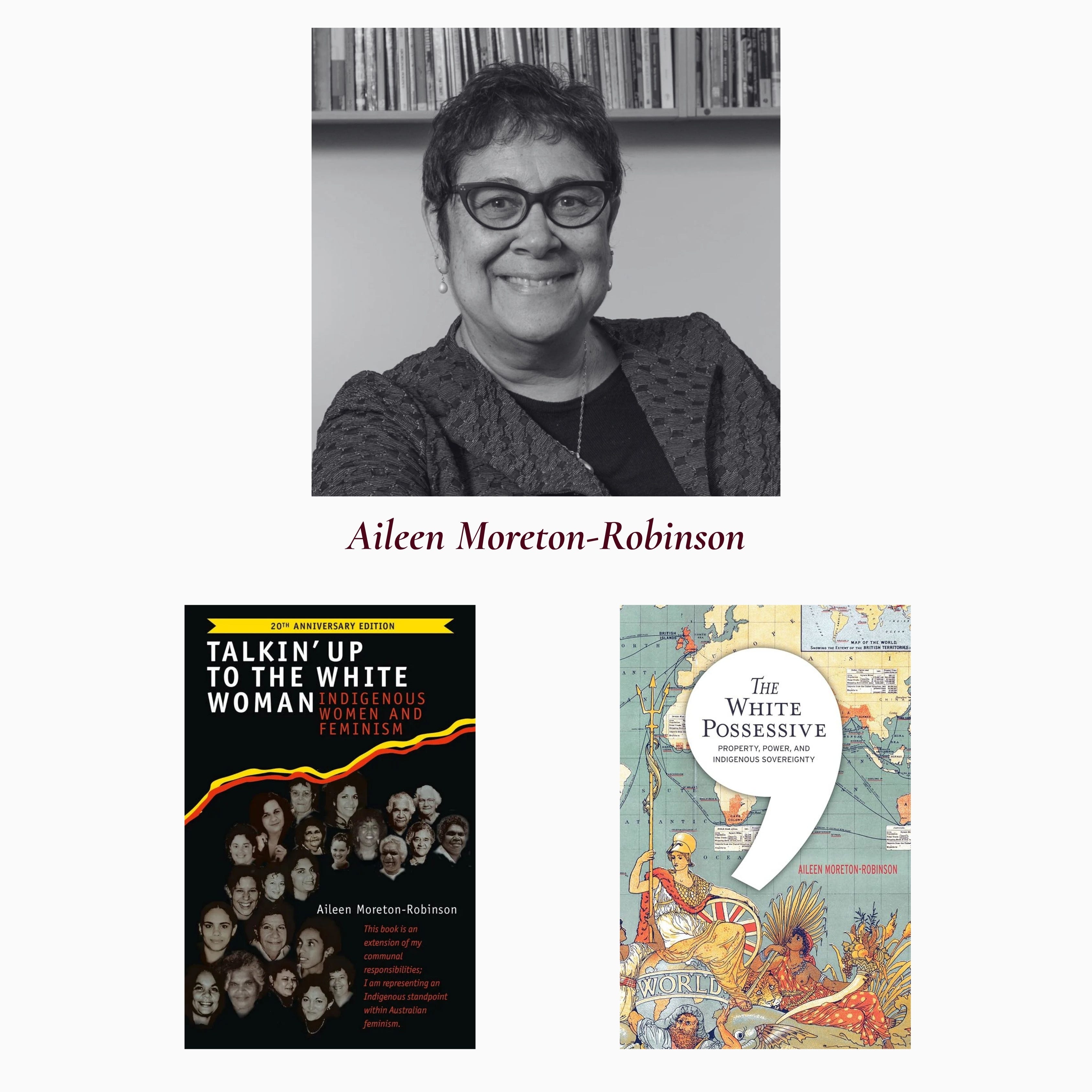
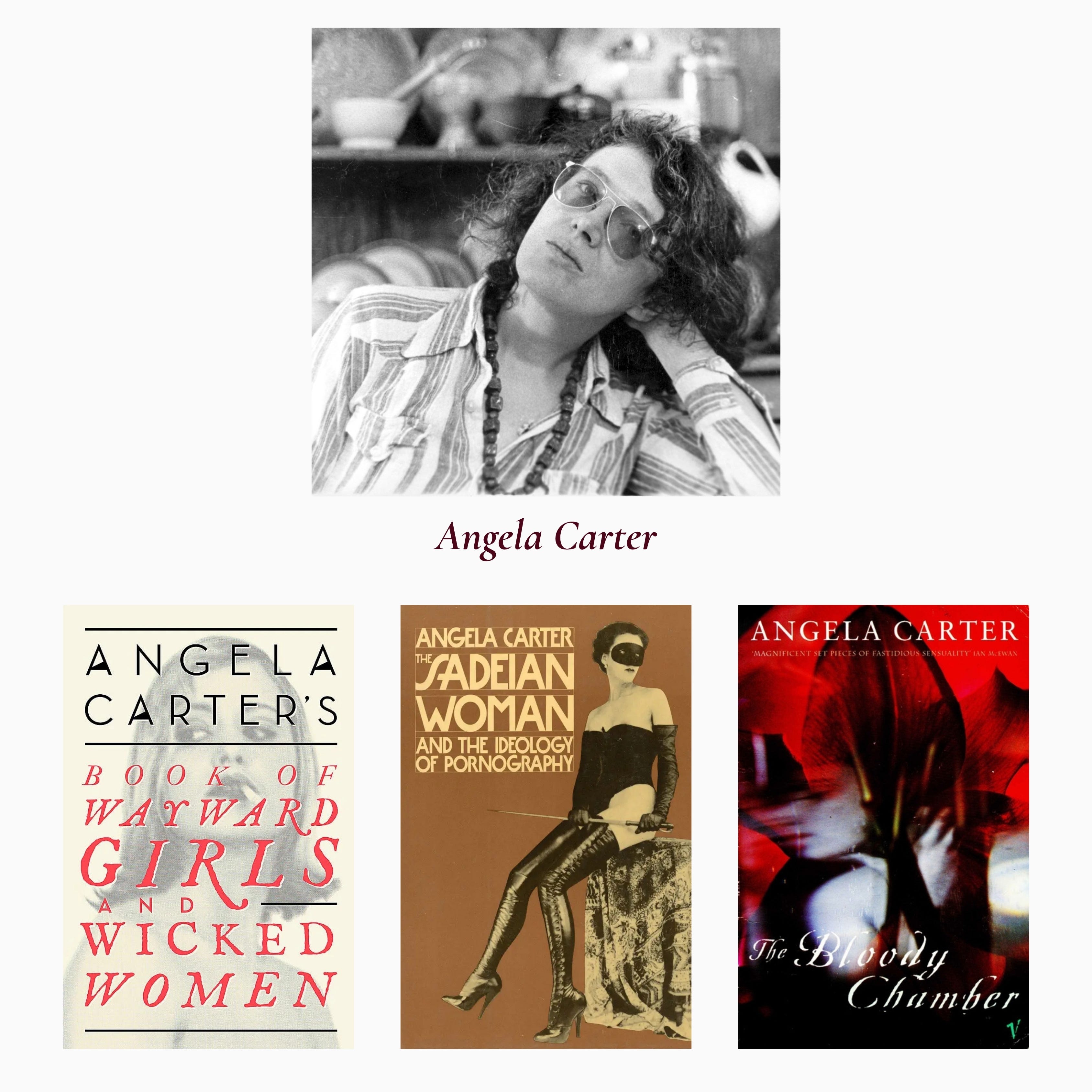
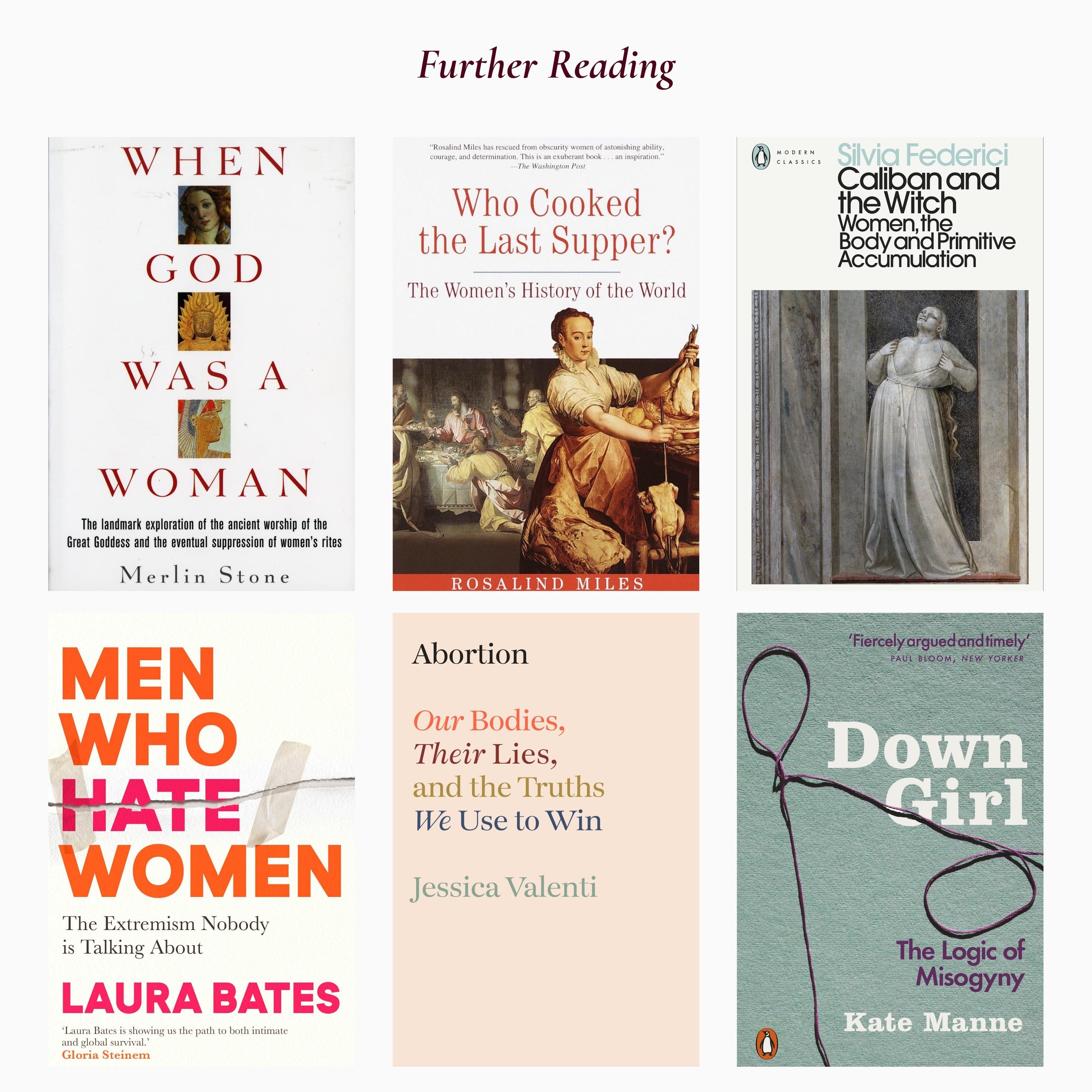
Support resources
As I end this article, I would like to now include some support services.
Australia:
1800RESPECT (1800 737 732) or www.1800RESPECT.ORG.AU
Lifeline (13 11 14) or www.lifeline.org.au
13Yarn (13 92 76) or www.13yarn.org.au
United States:
1.800.799.SAFE (7233) or www.thehotline.org
800.656.HOPE (4673) or www.rainn.org
United Kingdom:
0808 2000 247 or www.nationaldahelpline.org.uk
More:
https://www.shera-research.com/resources/global-domestic-abuse-family-court-support-resources
End
Thank you so much for reading. This has been a difficult and lengthy article to write. Whilst researching, there was so much information that I found and wanted to include, but I was worried it would bog the article down too much. Moving forward, I will be writing sub-articles to support this one that will dive further into these issues and discuss them at length.
As a woman who has been the victim of violence, I feel strongly about this topic, and I will continue to fight and use my platform to advocate for the freedom and rights of women. If this article has surfaced any difficult emotions or memories, please take some time to look after yourself, and please engage with any services if needed.
I appreciate your time, and I’m forever grateful that I have a platform and a community.
Ella x
thank you for writing this, i know it takes courage to post but the amount of women who kept silent throughout their life whenever there's a misogynistic experience is devastating. So thank you for the awareness + immaculate data that you've given us to read.
https://biard.substack.com/p/feminism-admires-the-kkk?r=2g7znn